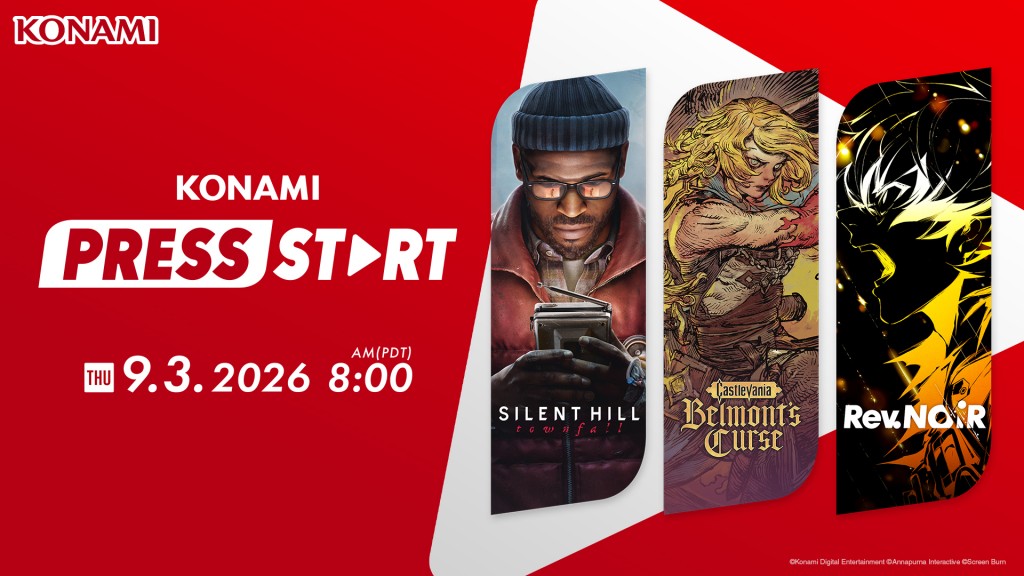
Silent Hill: Townfall arrived September 24 on PlayStation 5 and PC, moving the series to a Scottish island and a first-person perspective. Screen Burn Interactive gives protagonist Simon Ordell a pocket television that exposes information, supports puzzle solving and changes how he hides from threats.
This spoiler-free consensus compares critics who completed or substantially tested the game; it is not a NexusGG hands-on review. The strongest shared finding is that Townfall does not merely borrow Silent Hill imagery. Its geography, 1990s objects and CRT device become the language through which the horror is understood.
The island feels specific rather than borrowed
PC Gamer scores the game highly and calls the mix of classic psychological horror and the television mechanic successful. The Guardian focuses on the Scottish coastal setting, where ordinary cars, phone boxes and domestic objects make the nightmare feel culturally and historically grounded. NME reaches a similar conclusion by comparing its stalking tension to Alien: Isolation rather than treating it as a copy of Silent Hill 2.
That specificity matters because the game spends long stretches asking the player to observe. First-person framing narrows peripheral awareness, while the television creates a second, unreliable window. Reviewers consistently describe the atmosphere as the reason to continue even when individual encounters or puzzle steps become abrasive.
The same friction can feel deliberate or exhausting
Critics disagree on the balance between helplessness and frustration. Creative Bloq praises the horror and combat but finds some puzzles irritating. Other reviews treat the demanding puzzles as part of the game’s refusal to make Simon feel capable. Those readings are compatible: a mechanic can support the theme and still interrupt the pace for players who want clearer feedback.
Townfall is therefore easiest to recommend to players who value place, sound and sustained tension over combat variety. It is less certain for anyone who dislikes stealth failures or opaque puzzle logic. The pocket television is the decisive success: it is not a marketing prop, but the mechanic that gives this branch of Silent Hill its own grammar without revealing the story’s answers. Players who endured the series’ older puzzles will recognize the intent, even when the execution tests their patience.