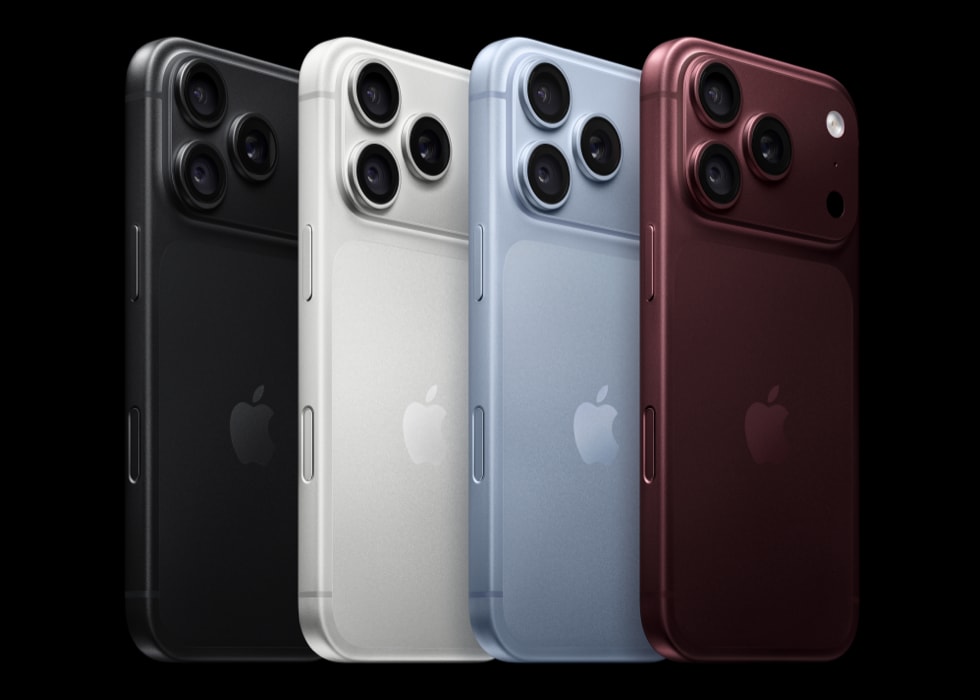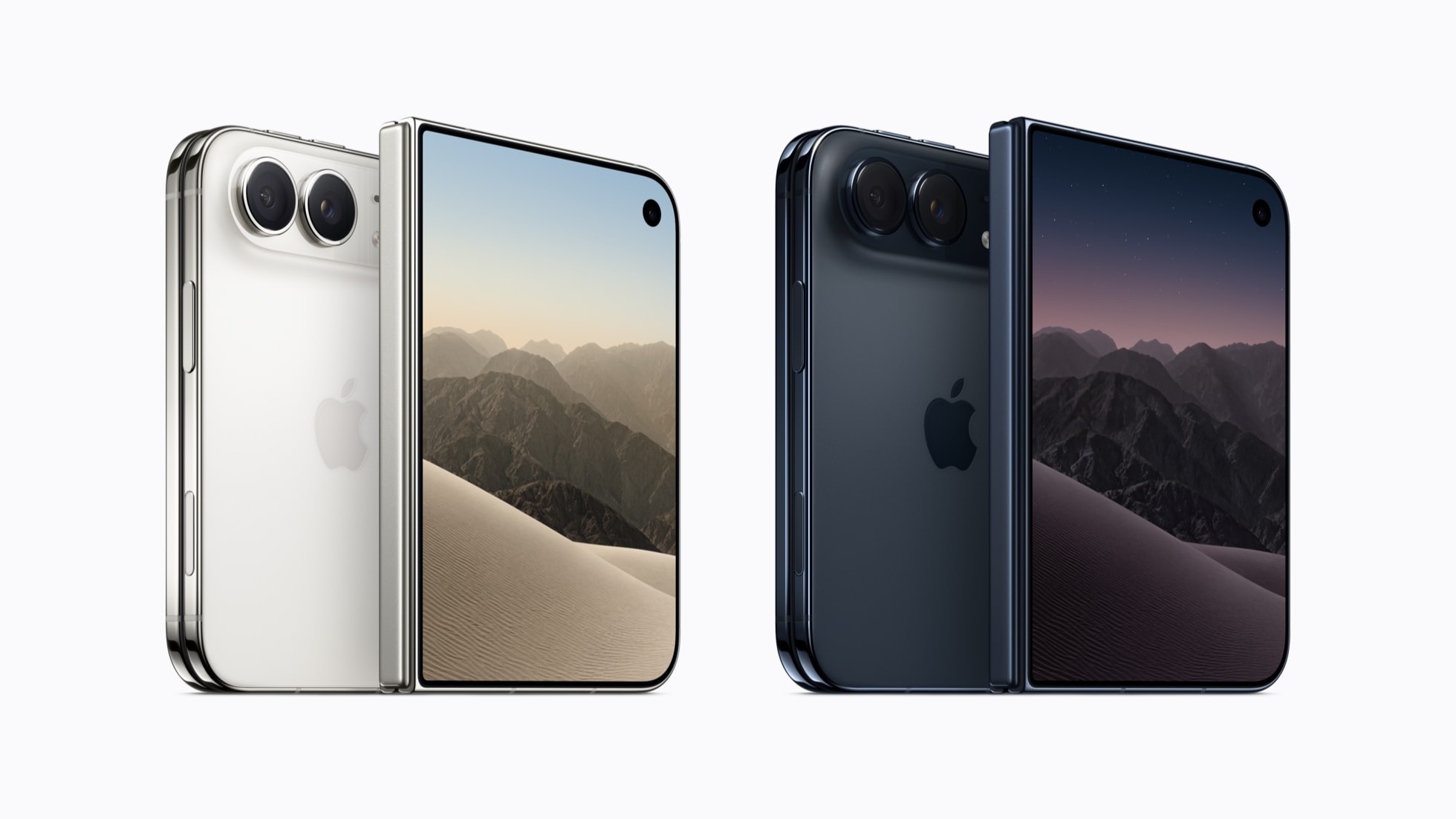
The first wave of iPhone Duo reviews agrees on the big achievement: Apple’s first foldable feels unusually finished for a first-generation device. Its 7.6-inch matte inner display makes the crease difficult to see, the hinge has earned near-universal praise, and the A20 Pro keeps demanding games and two-app multitasking moving quickly. The same reviews also find compromises that are hard to ignore on a $1,999 phone, including its weight, missing Face ID, absent telephoto lens and uneven third-party app support.
This is a roundup of testing published by Tom’s Guide, TechRadar, Tech Advisor, PetaPixel, 9to5Mac and Popular Mechanics, not a NexusGG hands-on review or score. It focuses on where those reviewers agree, where their results differ and what the trade-offs mean for buyers. For the specifications, launch plan and earlier comparison with the iPhone 18 Pro, see our iPhone 18 Pro and Duo launch guide.
The crease almost disappears, but the matte display changes the picture
The inner display is the clearest point of consensus. Tom’s Guide found the crease hard to spot even outdoors, while PetaPixel called it effectively invisible during use. Popular Mechanics judged it the least visible crease the outlet had tested on a foldable. Reviewers also liked how the nano-texture finish cuts glare and fingerprints, and several praised the under-display FaceTime camera for disappearing into the panel when it is not active.
That matte treatment is not an unconditional win. Tom’s Guide preferred the Galaxy Z Fold 8’s deeper blacks and richer colors indoors, even though the Duo revealed more shadow detail and reflected much less light outside. The 5.4-inch glossy cover screen is sharp and bright, but its short, wide shape can show less information and leave web interfaces feeling cramped. TechRadar also disliked how the side-mounted dock consumes part of that already limited width.
The hinge feels finished; long-term foldable durability is still unproven
Reviewers repeatedly praised the variable-resistance hinge for holding nearly any angle without feeling loose. Tech Advisor reported no flex or flimsiness after a week, and Popular Mechanics considered its action the smoothest among foldables the reviewer had used. Apple’s grade 5 titanium frame and hinge cover, Ceramic Shield protection and IP68 dust-and-water rating also address familiar foldable anxieties more directly than many competitors.
Those are encouraging short-term observations, not evidence of how the folding screen and hinge will age after years of daily use. 9to5Mac explicitly declined to make a long-term durability claim after only one week. The immediate ergonomic cost is easier to measure: at 254 grams and 11.3mm thick when closed, the Duo is noticeably heavier and thicker than Samsung’s Galaxy Z Fold 8. PetaPixel found the wide body awkward with one hand, while Tech Advisor thought the weight was well balanced.
A20 Pro gaming is fast, while battery findings depend on the workload
Performance is another strong point. Tom’s Guide measured Geekbench 7 scores of 4,007 single-core and 11,363 multi-core, close to the iPhone 18 Pro Max, and found only occasional minor slowdown while playing UnGodly on the inner display. Its 20-loop 3DMark test returned 75.9% stability, ahead of the Galaxy Z Fold 8’s 72% but behind the iPhone 18 Pro Max’s 79%. Popular Mechanics also reported smooth AAA gaming, photo editing and rapid switching across many open apps.
The hardware is not the only limit for games. TechRadar found that tilt steering in Asphalt Legends broke when an unoptimized version was stretched across the inner screen, although it worked on the cover display. Tom’s Guide likewise found that unoptimized games could occupy only about three quarters of the panel. The A20 Pro has ample speed; whether a game uses the larger canvas well can depend on its Duo update.
Battery reports range from solid to merely sufficient. Tom’s Guide recorded 13 hours and 20 minutes in a 5G web test on the inner display—well ahead of its concurrently retested Galaxy Z Fold 8, but more than four hours behind the iPhone 18 Pro Max. TechRadar measured about 13 hours in its lab and roughly 14 hours in mixed use. Tech Advisor finished heavy days near 25%, while PetaPixel ended a moderate-to-heavy day just under 30% and called that barely enough. The consistent takeaway is a full day for most mixed use, with less margin than a Pro Max and greater risk when the large screen carries the workload.
The cameras are capable, but $1,999 does not buy Pro-level zoom
The two 48-megapixel rear cameras generally produced strong photos. TechRadar praised color accuracy and low-light results, and Popular Mechanics found the stills and 4K video consistently sharp. The fold also creates useful shooting options: Duo Preview turns the outer display into a viewfinder for the subject, while the phone can stand partly open for hands-free group shots.
The criticism is about what is missing and how the body handles. There is no dedicated telephoto camera; Tom’s Guide found the Duo competitive at moderate zoom but visibly softer than the iPhone 18 Pro Max at 10x. 9to5Mac rated the main camera only a notch below the 18 Pro, yet noted that the outer selfie camera is lower-resolution and the hidden inner camera is suitable mainly for video calls. PetaPixel also found the wide folded body and control placement clumsier for one-handed photography. Buyers prioritizing long zoom, ProRAW or the easiest camera grip have better choices in Apple’s conventional Pro line.
iOS 27 makes two screens feel coherent, but the app transition has started
Apple’s own software earned strong marks. 9to5Mac praised the fluid handoff between screens and found two-app Split View genuinely useful. Tech Advisor similarly found the transition between open and closed states effortless. Reviewers highlighted side-by-side combinations such as Safari with Notes or Slack with video, along with tabletop modes that move playback controls to the lower half. The Duo can run two apps plus picture-in-picture, but not the three or more apps available on some Android foldables.
Third-party software is the launch weakness. Updated apps can use dual panes or reshape controls for the wide screens, but older apps may sit inside large black bars. Tom’s Guide described some unoptimized results as poor, and PetaPixel found older YouTube Studio, Gmail and Firefox builds especially unattractive. The replacement of Face ID with side-button Touch ID also drew broad criticism from TechRadar, Tech Advisor, Tom’s Guide and PetaPixel, even though Popular Mechanics adapted to it quickly.
Who should buy the iPhone Duo—and who should wait
Apple launched the iPhone Duo on October 23 in more than 70 countries and regions, with 28 additional markets due on October 30. U.S. pricing starts at $1,999 for 256GB, and Apple also sells 512GB, 1TB and 2TB versions. Apple’s announcement does not list Israel among the first-wave countries, so this roundup makes no claim about Israeli pricing or local stock.
The reviews make the strongest case for people already committed to iOS who will regularly use a tablet-sized screen for games, video, reading, photo editing or two-app work—and who value carrying one device more than having the best iPhone camera or battery. Tom’s Guide and Popular Mechanics call it the best foldable they have tested; Tech Advisor is similarly positive for people who will use the inner screen often.
Most buyers should still choose a conventional iPhone. PetaPixel’s more skeptical review argues that the Duo splits the difference between an iPhone and iPad without fully replacing either, and 9to5Mac says a standard iPhone remains the practical purchase for most people. Waiting is sensible if Face ID, telephoto photography, one-handed use, maximum endurance or proven multi-year hinge durability matters more than the folding screen. The consensus is not that the Duo is compromise-free; it is that Apple made the fold itself convincing enough for the right buyer to accept those compromises.