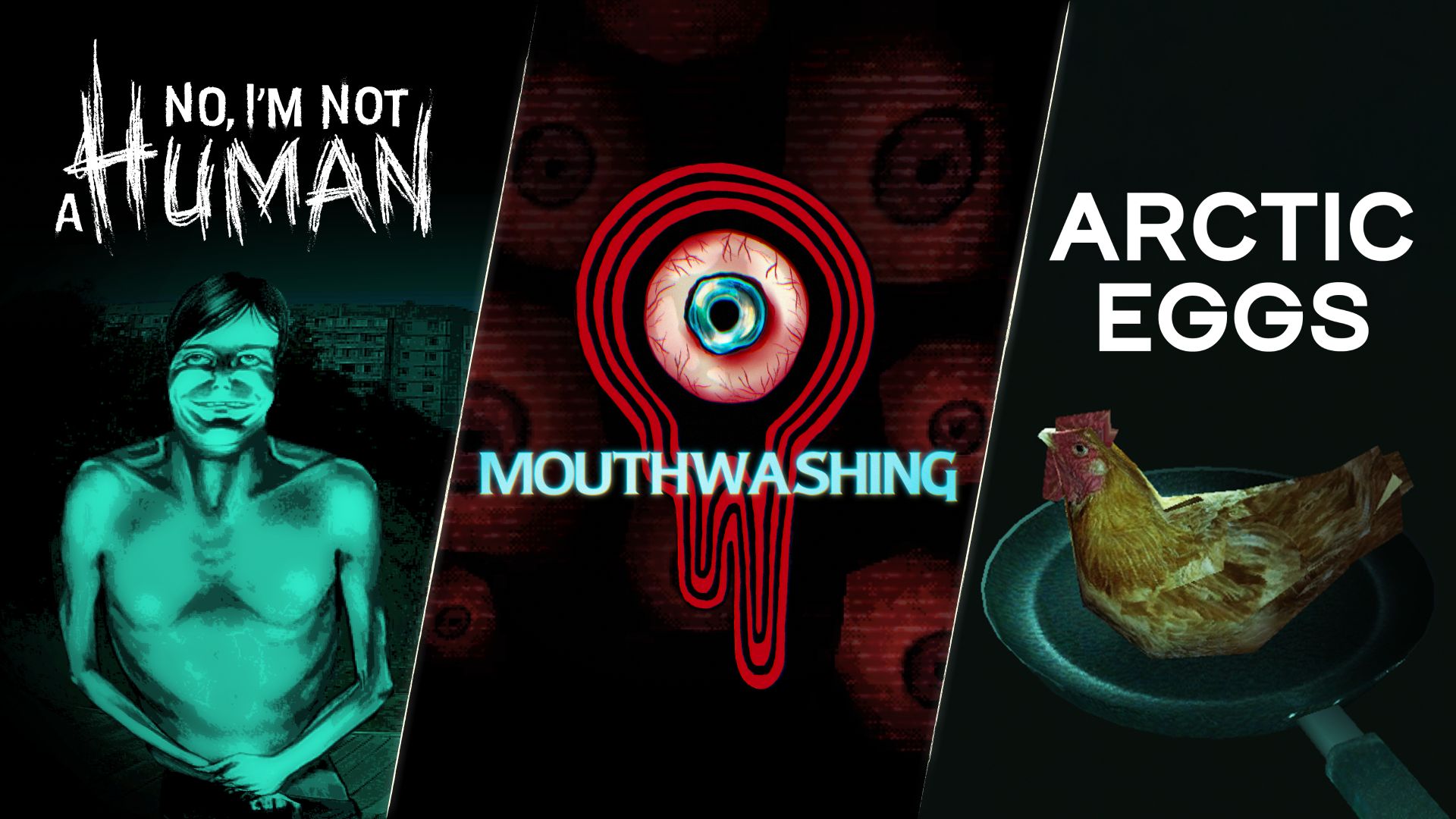
Kinetic Publishing's showcase revealed five games, and the reveals were good ones — a parasitic Metroidvania set on a giant snail's shell, an open-world witch game with motorbroom deliveries, a Sam Barlow sci-fi horror thriller made with Brandon Cronenberg.
Then look at the dates. Spring 2027. Summer 2027. Spring 2028. Summer 2028. Autumn 2028. Two of these games are being announced more than two years before anyone can play them.
Two years is beyond a small studio's visibility
A publisher can forecast two years out. An independent developer of the size making Shellbound or Aether Wizard Life often cannot forecast six months, and everyone in the industry knows it. Scope changes. A systems prototype does not work. One person leaves and takes a discipline with them.
"Autumn 2028" is not a prediction anyone made with confidence. It is a slot that fills a slide, and treating it as information is a category error the announcement invites.
Nobody in the audience can act on it
Ask what a player is supposed to do with a 2028 window. They cannot pre-order meaningfully. They cannot plan around it. The most they can do is add the game to a wishlist and forget it, which is the actual mechanism being targeted.
That is a legitimate commercial goal — wishlist counts move storefront visibility and help secure funding. But it means the announcement is aimed at an algorithm and a balance sheet, and the release window is decoration attached to it.
The cost lands on the people who cared
The players harmed by a distant window are the enthusiastic ones. Someone who watches an indie showcase and gets excited about a snail-shell Metroidvania is exactly the person who will remember, check in, and notice when Summer 2028 becomes Winter 2029.
By then the goodwill generated by the reveal has been spent on waiting, and the slip reads as a broken promise rather than as normal development. A studio gets one first impression per game, and a two-year gap guarantees the second impression is a delay.
There is a defence worth taking seriously: a publisher-backed showcase gives small studios visibility they could never buy, and visibility converts to funding. Contact Protocol and Crescent County both landed with clear hooks — corporate horror where you inspect starships and decide their fate, an open-world witch adventure with motorbroom deliveries — and that reach genuinely matters for teams this size.
All of that holds without printing a year. The visibility comes from the trailer and the hook, not from the caption underneath it.
It puts the team on a clock somebody else set
The internal cost is worse. A public window becomes a target regardless of what the work needs, and the pressure to hit it is felt hardest by the smallest teams, who have the least slack to absorb it.
The industry has spent several years discussing crunch as though it originates in bad management. A good deal of it originates in a date announced before anyone knew whether it was achievable, and then defended because it was announced.
What the showcase got right
This is not an argument against showcases, and Kinetic's did several things well. Every title is confirmed for Xbox Series X|S and PC with Play Anywhere support, which is a concrete, verifiable commitment. The descriptions were specific enough to convey what each game actually is.
The PRECOGNITION reveal is the model: a named creator with a known body of work, a named collaborator, a clear premise about time travel and prescience, and enough detail to judge whether you want it. All of that would have survived intact with no year attached.
Say the year when you know the year
The fix is unglamorous. Announce the game, show the work, and say "we will date this when we can date it." Players are far more tolerant of that than publishers assume — the reaction to an honest absence of a date is mild disappointment, while the reaction to a missed one is anger.
The only thing a 2028 window reliably produces is a headline in 2028 about a game that slipped. Nobody involved wants that outcome, and it is entirely avoidable by not printing the year.