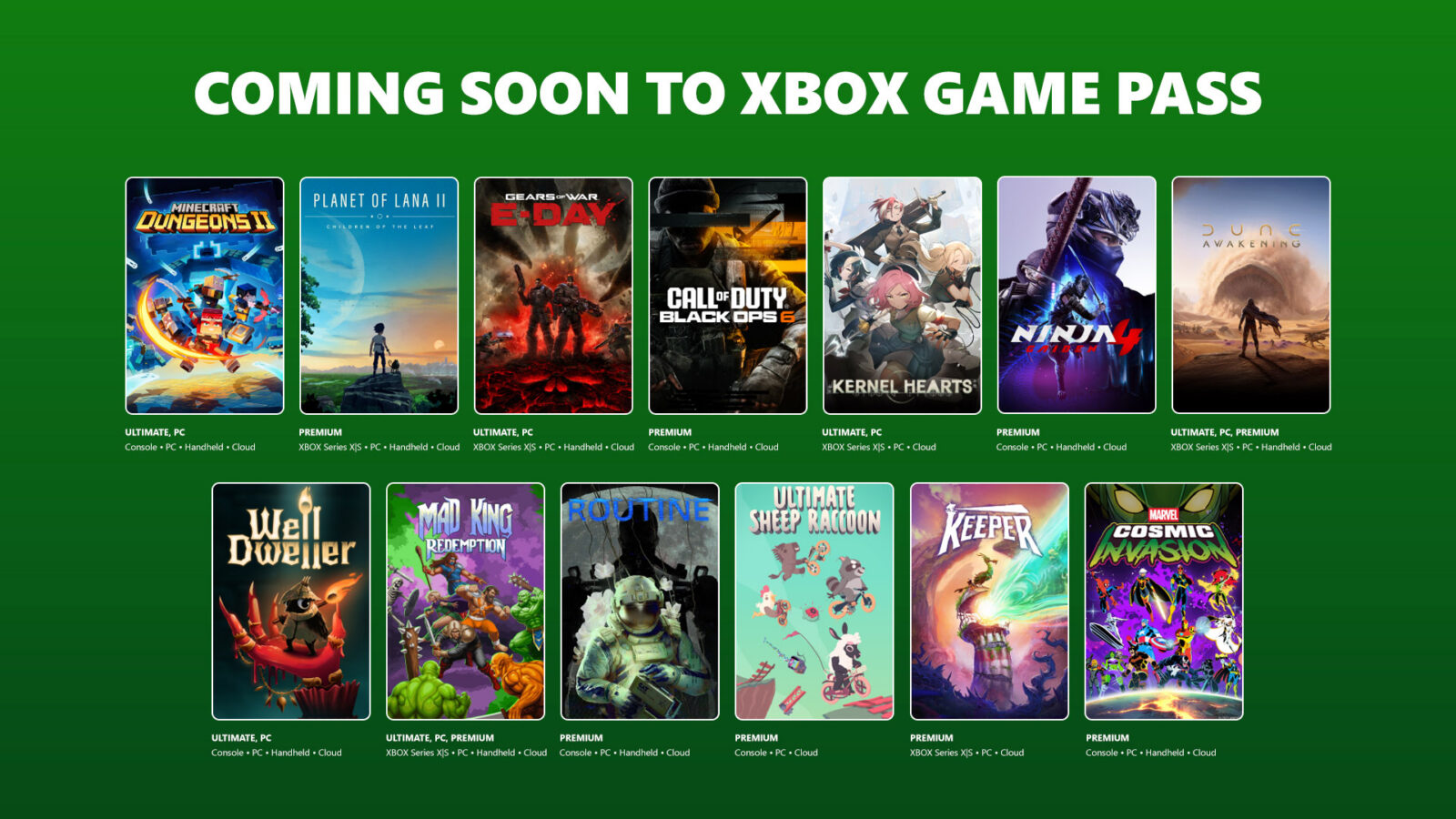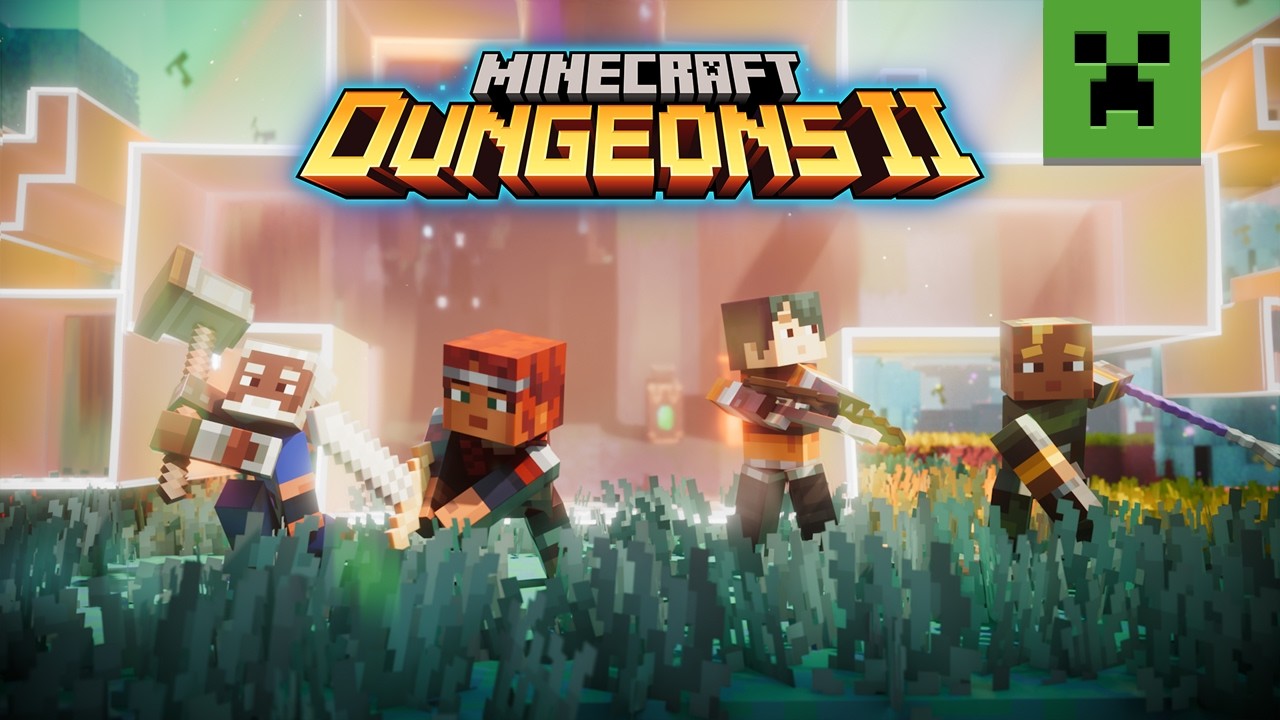
Minecraft Dungeons II launched September 29 on Xbox Series X|S, PC, PlayStation 5, Nintendo Switch and Switch 2, with Game Pass access on Xbox and PC. The sequel keeps the first game’s accessible action-RPG foundation but replaces isolated mission tiles with a connected world, adds jumping and sends players through rifts into the Sift dimension.
This article summarizes published reviews rather than presenting a NexusGG hands-on score. The most consistent conclusion is that Mojang and Double Eleven improved the systems that made the original approachable without turning the sequel into a rival for the most demanding loot games.
A connected map gives the loot loop more direction
Mojang describes the new world as interconnected, with rifts leading into the Sift and new areas opening around the player. Review roundups and Game Informer’s coverage praise that change because exploration now connects fights instead of acting as a menu between missions. New weapons and build options give repeated runs more purpose, while four-player cooperation remains easy to understand for mixed-experience groups.
That accessibility is still the design priority. The official FAQ says players do not need to finish the first game, and the controls avoid the dense skill trees associated with Diablo or Path of Exile. The tradeoff is that experienced action-RPG players may exhaust the tactical possibilities sooner. Reviews generally describe the sequel as a better Minecraft Dungeons, not a reinvention of the genre.
The story is support structure, not the reward
Several reviews identify the same weak point: the Illager High Council and the soul-corrupted threat provide a reason to move forward, but not a memorable narrative. Saving Content praises the loot while criticizing the story and missing PC options. Meristation reports a roughly six-and-a-half-hour direct campaign and calls many side activities repetitive, although total playtime grows for players who chase gear and optional missions.
The practical recommendation depends on the group. Families, younger players and friends who want a cooperative game with readable builds get the clearest upgrade. Solo players looking for a tightly written campaign or an endgame that can sustain hundreds of hours should treat Game Pass as the safer entry point. The sequel succeeds by widening the first game’s path, not by changing its destination.